
Rooms & Suites
33 individually curated bedrooms, three suites and a dual-purpose penthouse across four floors — each a considered aesthetic statement, never a generic tier.
A London Boutique Hotels Guide
Tucked on Newman Street in the heart of Fitzrovia, a place where art, ritual, gastronomy and sensory design collide.
Five-star boutique hotel · Fitzrovia · 8.5 Excellent from 1,903 reviews
Read the guide
The hotel was born from an independently owned vision, personally curated by its founders rather than assembled by a corporate hospitality group. That distinction matters more than it might initially seem. Independent ownership means every artistic commission, every menu decision, every wellness ritual has been chosen with intention — not filtered through brand guidelines or committee approval. The result is a property that feels genuinely personal, even idiosyncratic, in a way that no chain hotel can convincingly replicate.
The name itself is the first clue to the hotel's character. The mandrake plant — Mandragora officinarum — has fascinated humans for millennia. Ancient Greeks believed it could induce visions and ward off evil spirits. Medieval herbalists prescribed it as an anaesthetic and an aphrodisiac. It appears in Shakespeare's Othello and Romeo and Juliet, always as a symbol of something potent, dangerous, and slightly otherworldly. The hotel takes that mythology seriously.
'Luxury that refuses to play it safe' — reflecting a genuine design and programming philosophy.
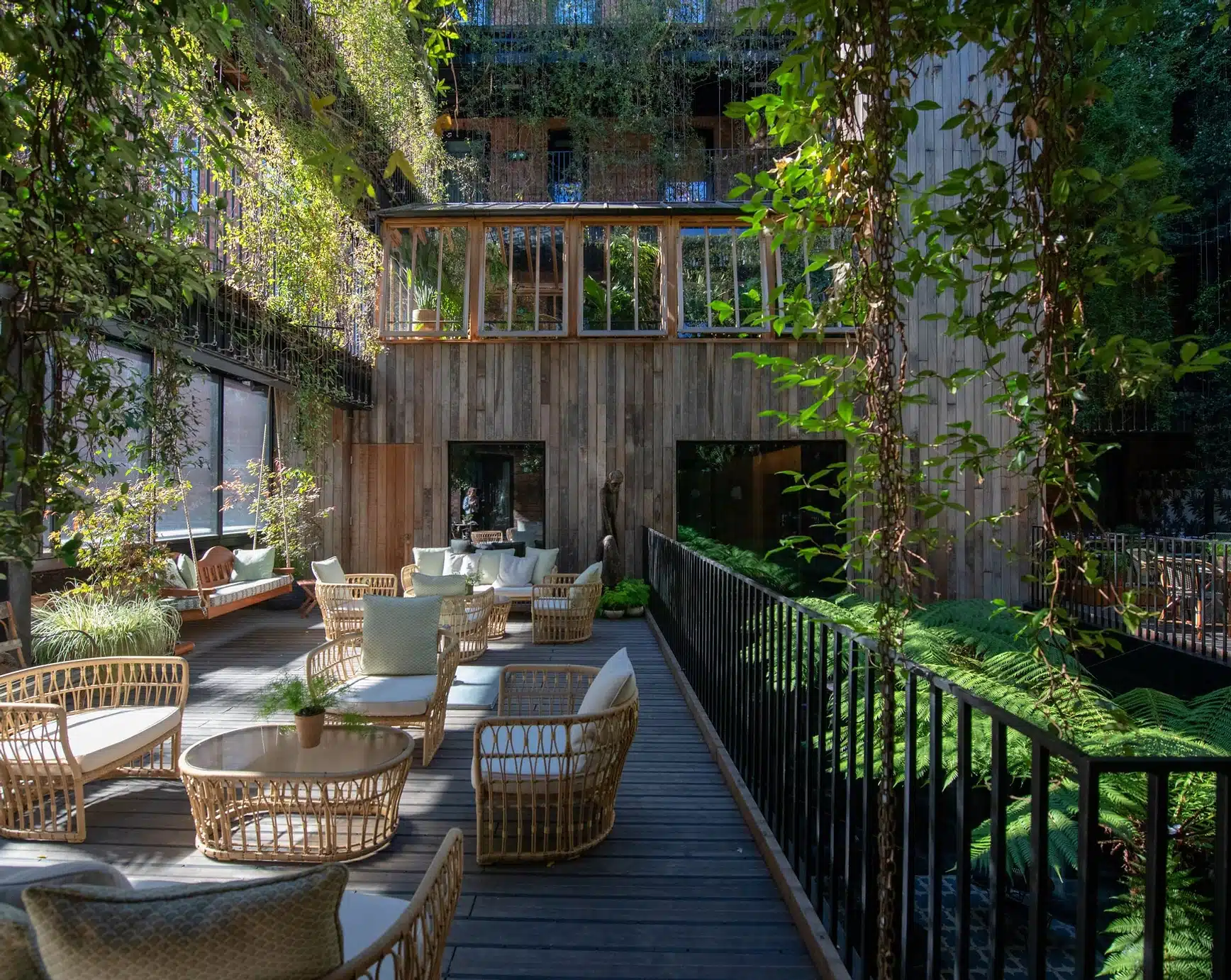
The physical home of The Mandrake at 20–21 Newman Street was previously recognised by the Royal Institute of British Architects (RIBA), a mark of architectural distinction that hints at the quality of the space before you even cross the threshold. The conversion preserved and enhanced the building's structural character while layering in eclectic artwork, intriguing soundscapes, and a central outdoor courtyard that serves as the property's living, breathing heart.
In a city that has seen serious competition from properties like Chiltern Firehouse, The Ned, and Sketch Hotel, The Mandrake holds its own by occupying a genuinely distinct position. It's not a members' club with rooms. It's not a heritage conversion. It's something closer to a living artwork that also happens to offer 33 bedrooms, a spa, and some of the most interesting cocktails in Fitzrovia.
Every artistic commission, every menu decision, every wellness ritual has been chosen with intention.
33 individually curated bedrooms, three suites and a dual-purpose penthouse across four floors — each a considered aesthetic statement, never a generic tier.
Award-winning South American-influenced cuisine — precision and creativity from a destination kitchen that earns its reputation independently of the hotel that hosts it.
Botanical cocktails built around herbs, roots, flowers and plant extracts — the social heart of the hotel, drawing a crowd well beyond its own guest list.
Cave-like design and a signature mud ritual that draws on ancient wellness traditions — unlike anything else on offer in London's hotel wellness scene.
Sound baths and reiki in the penthouse, available midweek — a level of intentionality around guest wellbeing that most hotels don't come close to matching.
Trailing jasmine and passion flowers cascading through a lush, evergreen living sanctuary — a verdant, fragrant counterpoint to the hotel's intense interior aesthetic.
The Mandrake is deliberately intimate in scale — 33 bedrooms, three suites, and a penthouse spread across four floors. That's not a limitation; it's a design choice. The relatively small room count allows for the kind of curation and personal attention that larger hotels simply can't sustain.
Unlike most hotels where rooms fall into generic tiers, every space at The Mandrake is individually curated. The entry-level Classic Bedroom carries the same bold artwork, layered textures, and considered soundscapes as the rest of the property, while the Penthouse doubles as a private wellness sanctuary for holistic sessions.
| Room Type | Est. Size | Key Features | Price From |
|---|---|---|---|
| Classic Bedroom | ~20–25 sq m | Bold art, soundscapes, courtyard-adjacent | £252/night |
| Deluxe Bedroom | ~25–35 sq m | Improved aspect, expanded design palette | £300/night |
| Junior Suite | ~35–50 sq m | Separate sitting area, larger art commissions | £450/night |
| Suite | ~50–70 sq m | Full living/sleeping separation, premium curation | £700/night |
| Penthouse | Largest | Wellness sessions, dual suite/sanctuary function | £1,000+/night |
All prices are indicative and vary significantly by season, day of week, and availability.


One of the clearest signals that The Mandrake takes its identity seriously is that both its restaurant and its bar are destinations in their own right — not amenities bolted on to satisfy the expectation that a hotel should have somewhere to eat and drink.
Yopo — the restaurant on the ground floor — takes its culinary cues from South America, producing a menu that draws on the continent's extraordinary range of ingredients, techniques, and flavour traditions. The award-winning credentials are genuine: the dining experience here sits comfortably alongside some of the more celebrated independent restaurants in London's West End. The menu changes seasonally, with a focus on bold, complex flavours.
Waeska Bar is named after the Amazonian shaman's practice of working with plant spirits. It leans hard into the botanical — cocktails built around herbs, roots, flowers, and plant extracts that connect back to the hotel's wider mythology around the natural world and its hidden properties. Waeska regularly draws a crowd that goes well beyond hotel guests, which is perhaps the clearest endorsement of its quality.
On the first floor, four private dining Cabanas — each designed by a different award-winning artist — offer immersive environments that are also art installations. Non-guests are welcome at both Yopo and Waeska.
The spa at The Mandrake has been described as cave-like — a deliberate architectural choice that creates a sense of enclosure, warmth, and separation from the outside world. It feels primal in the best possible sense: a space designed to strip away the noise of daily life and return you to something more elemental.
The centrepiece is the signature mud ritual — an indulgent, deeply restorative treatment that uses mineral-rich mud in a ceremony that draws on ancient wellness traditions. Guests who have sought out the mud ritual consistently describe it as among the most memorable spa experiences they've had anywhere — not just in London.
Available midweek, the Spiritual Wellbeing Concierge Menu offers sound baths, reiki, and a range of holistic practices — sessions conducted in luxurious settings within the hotel, including the penthouse, which transforms into a private wellness sanctuary for the purpose. Guests seeking the full spiritual wellbeing experience should book their stay accordingly.

The artwork throughout The Mandrake was not acquired through a corporate art consultancy or assembled to fill wall space. It was personally curated by the hotel's founders, which means the collection reflects specific taste, specific relationships with artists, and a specific vision for how art should function in a space people actually inhabit.
The Artist in Residence programme runs year-round and covers multiple disciplines, bringing working artists into the hotel to create, exhibit, and interact — turning the property into a live creative environment rather than a static gallery. For guests, the practical benefit is that no two stays at The Mandrake are quite the same.
Beyond the visual arts, The Mandrake programmes live performances and incidental theatre — spontaneous, immersive cultural moments that guests may encounter without prior warning. A performance in the courtyard. An installation that spills out of a gallery space into a corridor. A musician playing in a corner of the bar. The four private dining Cabanas on the first floor were each designed by a different award-winning artist, making them immersive environments rather than simply decorated rooms.
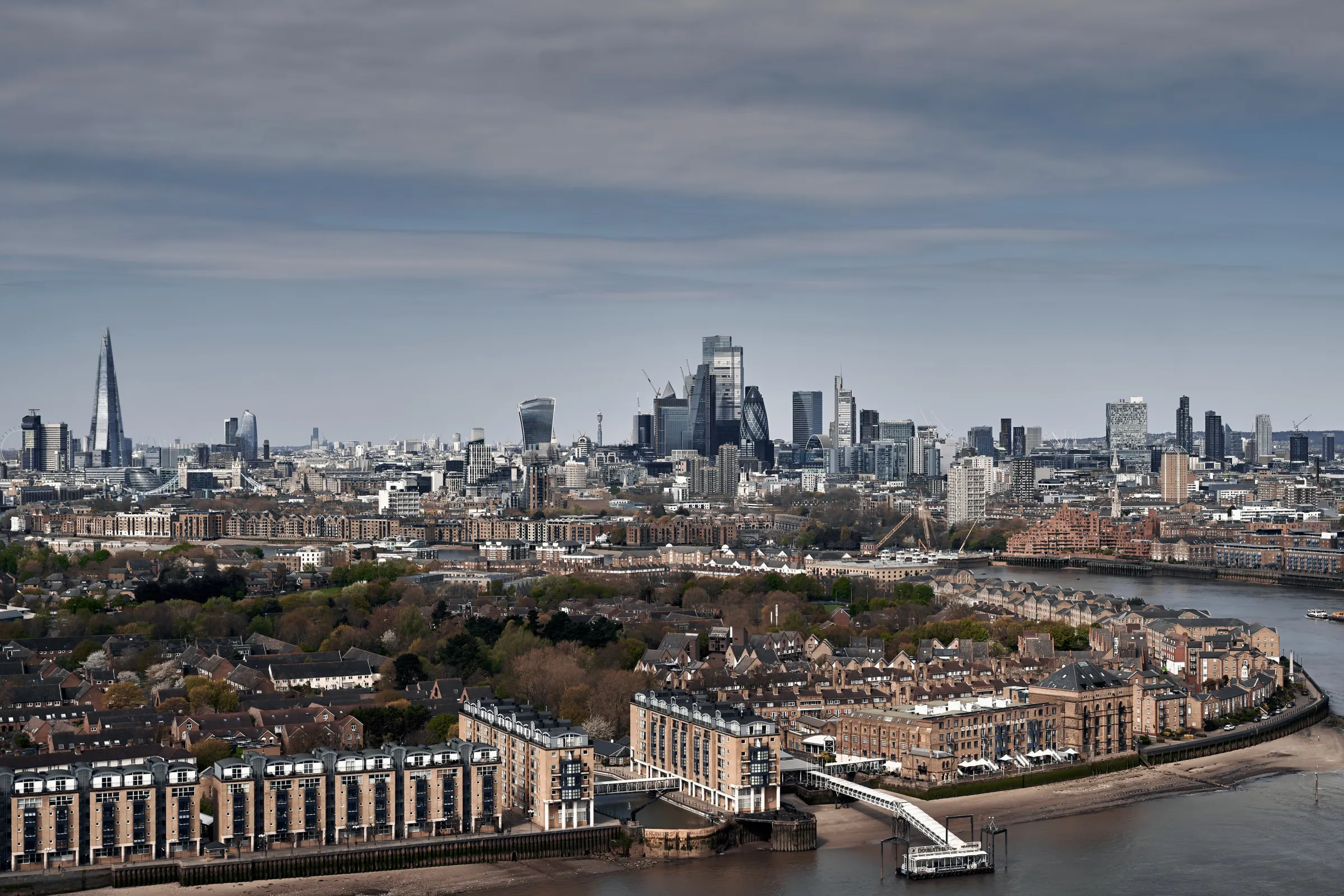
The hotel sits at 20–21 Newman Street, W1T 1PG — a quiet residential and creative street that has historically attracted artists, architects, and writers. Fitzrovia occupies the territory between Soho to the south, Marylebone to the north, and the bustle of Tottenham Court Road to the east. It's one of those London neighbourhoods that rewards exploration: independent restaurants, boutique galleries, design studios, and Georgian townhouses compressed into a surprisingly compact area — genuinely central without the chaos of Oxford Street or the self-conscious glamour of Mayfair.
Tottenham Court Road station — now significantly upgraded as part of the Elizabeth line rollout — is roughly a two-minute walk from the hotel. That gives guests immediate access to the Central and Northern lines, and the Elizabeth line for direct connections to Heathrow, Paddington, and Canary Wharf. Oxford Circus is also walkable in under ten minutes, opening up the Victoria, Central, and Bakerloo lines.
What makes Fitzrovia particularly well-suited to a hotel like The Mandrake is the neighbourhood's own creative heritage. This is the area where Virginia Woolf and the Bloomsbury Group gathered, where Dylan Thomas drank in the Fitzroy Tavern, and where contemporary London's creative industries — architecture, advertising, media — have long maintained a presence. That cultural DNA aligns naturally with a hotel built around art, performance, and unconventional thinking.

8.5
Excellent · from 1,903 guest reviews
The themes that recur most consistently in positive reviews are the atmosphere, the art, and the sense of genuine uniqueness. The courtyard receives particular praise, with many guests describing it as an unexpected oasis in the middle of London. Dining at Yopo and cocktails at Waeska are among the most frequently praised elements. The staff are described as attentive, knowledgeable, and genuinely engaged — not performing a corporate service script but responding to guests as individuals.
The most consistent theme among less enthusiastic reviews is that the hotel's bold aesthetic is simply not for everyone. Guests who arrive expecting a traditional luxury hotel — restrained interiors, neutral tones, understated elegance — may find The Mandrake's sensory intensity overwhelming rather than enlivening. Pricing at peak periods can also give pause — rates above £1,000 per night in high summer represent a significant premium.
This isn't a quality problem. It's a fit problem. The Mandrake is very good at being exactly what it is. The question is whether what it is aligns with what you're looking for. For culturally curious travellers who want their hotel to be part of the experience rather than just a base for it, The Mandrake consistently earns its position as one of London's most distinctive boutique properties.
The Mandrake is available across 22 booking platforms, including Booking.com, Expedia, and other major aggregators. That said, booking directly through the hotel's own website at themandrake.com is worth considering for any boutique property of this type. Direct bookings can unlock benefits not available through third-party platforms: room upgrade requests on availability, flexible check-in and check-out arrangements, access to exclusive packages, and a direct line to the reservations team for specific requirements.
| Season | Typical Rate Range | Best Booking Window | Notes |
|---|---|---|---|
| Winter | £252–£450/night | 2–4 weeks out | Best value; quieter hotel |
| Spring | £300–£600/night | 4–6 weeks out | Strong value/experience balance |
| Summer | £600–£1,100+/night | 3–4 months out | Peak demand; book early |
| Autumn | £300–£600/night | 4–6 weeks out | Best overall time to visit |
Midweek stays (Monday–Thursday) are consistently lower than weekend rates across all seasons.
Book a midweek stay if you want access to the Spiritual Wellbeing Concierge Menu — it's not available on weekends.
Reserve a table at Yopo in advance, as the restaurant draws non-guests and fills up.
Ask about the current Artist in Residence when you book — knowing who's in residence can add context and interest to what you encounter during your stay.
If you're celebrating something, mention it — the team's attention to personal detail is one of the hotel's more consistent strengths.

Short, honest answers to the questions we're asked most often about a stay.
Explore more Fitzrovia hotelsPrices start from approximately £252 per night for a Classic Bedroom during quieter midweek periods. Rates rise through the room categories — Junior Suites from around £450, full Suites from around £700, and the Penthouse from £1,000+. Summer weekend rates (July–August) can exceed £1,100 per night. Autumn and spring midweek stays offer the best value, typically in the £300–£600 range depending on room type.
Yes, The Mandrake is pet-friendly. However, the specific details — including any nightly pet fee, size or breed restrictions, which room categories accept pets, and what amenities are provided for animals — are not published publicly. Guests travelling with pets should contact the hotel directly before booking to confirm the current policy and make appropriate arrangements.
The Mandrake London is known for its bold, immersive identity as a luxury hotel that operates as a cultural institution. Key distinguishing features include a year-round Artist in Residence programme, live performances and incidental theatre, the Spiritual Wellbeing Concierge Menu (including sound baths and reiki in the penthouse), the award-winning Yopo restaurant, the botanical Waeska Bar, artist-designed private dining Cabanas, and a cave-like spa with a signature mud ritual.
The Mandrake is located at 20–21 Newman Street, Fitzrovia, London W1T 1PG. The nearest tube station is Tottenham Court Road, approximately a two-minute walk away, providing access to the Central, Northern, and Elizabeth lines. Oxford Circus is under ten minutes on foot. The hotel is well-positioned for the British Museum, Soho, Oxford Street, and the West End.
The Spiritual Wellbeing Concierge Menu is a curated programme of holistic experiences available to guests midweek. It includes sound baths, reiki, and other holistic practices, conducted in luxurious hotel settings including the penthouse. It's designed as a core part of the guest experience rather than an optional add-on. Midweek booking is required to access this programme.
Yes. Both Yopo restaurant and Waeska Bar welcome non-guests. Yopo serves award-winning South American-influenced cuisine and is regarded as a destination restaurant in its own right, drawing Londoners who are not staying at the hotel. Waeska Bar, known for its botanical cocktails, similarly draws a crowd well beyond the hotel's guest list. Reservations at Yopo are recommended, as the restaurant fills up.
Autumn (September–October) and spring (March–May) offer the best combination of reasonable pricing and a full cultural programme. Summer (July–August) is peak season with the highest rates — book three to four months in advance if you're visiting then. Midweek stays are consistently cheaper than weekends across all seasons. Guests seeking the Spiritual Wellbeing Concierge Menu must book a midweek stay, as it's not available on weekends.
For the right guest — culturally curious, open to the unconventional, and willing to engage rather than simply relax — The Mandrake London is a genuinely compelling choice. An 8.5 Excellent rating from nearly 2,000 guests confirms that the vision translates into experience.
Explore more London boutique hotel guides